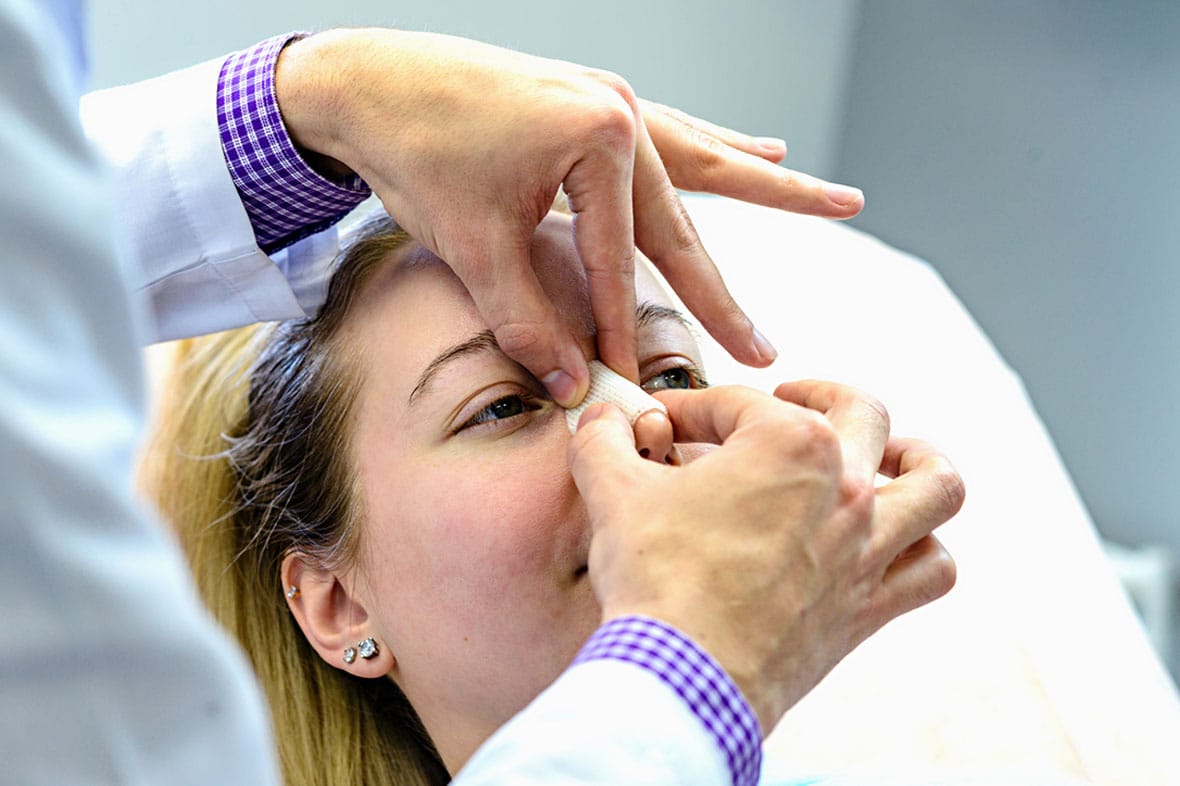

A nose injury can affect far more than your appearance. Depending on the severity of the trauma, it may alter your breathing, change your facial balance, and impact your overall quality of life. Preparing for rhinoplasty after a nasal injury is an important step toward achieving the best possible functional and aesthetic outcome.
Working with an experienced plastic surgeon like Dr. Jeffrey Lisiecki, our board-certified plastic surgeon with fellowship training in aesthetic surgery, helps ensure your treatment is tailored to your unique needs. If you are considering rhinoplasty in Manhattan or throughout New York City, this article offers guidance on how to prepare for rhinoplasty after a nose injury.
Seek an evaluation as soon as possible
Even if your injury seems minor, schedule an evaluation promptly. Nasal trauma can cause internal damage that is not immediately visible, including a deviated septum, cartilage injury, or airway obstruction. Early assessment allows your surgeon to determine the extent of the injury and recommend the most appropriate treatment plan. In some cases, timely intervention may improve healing and reduce the complexity of future reconstruction.
Understand your treatment timeline
Not every nose injury requires immediate rhinoplasty. Depending on the type and severity of the trauma, your surgeon may recommend allowing swelling to improve before performing definitive reconstruction. During consultation, you’ll learn whether early treatment or a delayed procedure is the most effective option for restoring both function and appearance. Understanding your timeline helps you plan for surgery and recovery with realistic expectations.
Gather your medical history and reference photos
Prepare all information about your injury, including when it occurred, how it happened, and any treatments you’ve received. If available, bring photographs of yourself taken before the injury. These can help your surgeon better understand your natural anatomy and develop a surgical plan that restores facial harmony. If you do not have older photos, your surgeon can still create a personalized treatment plan based on your facial proportions and goals.
Be honest about your symptoms and goals
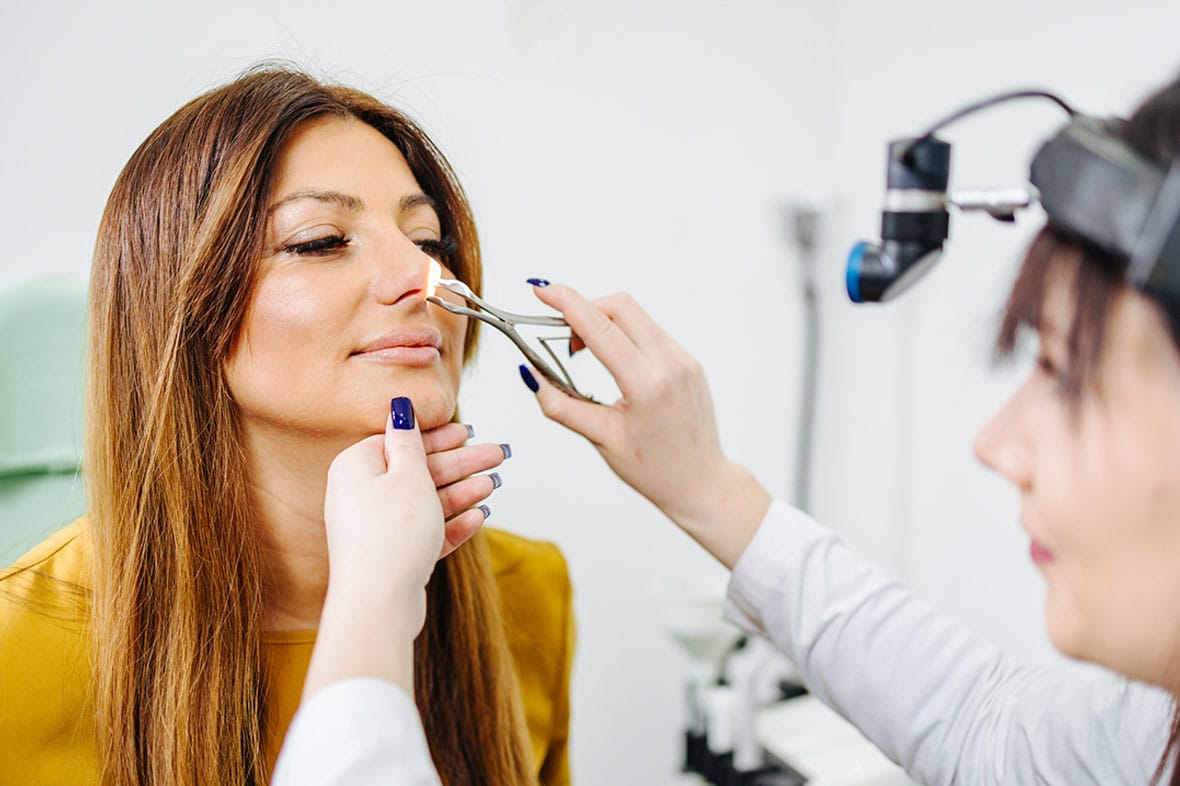
Your consultation is the time to discuss functional concerns and cosmetic preferences. Tell your surgeon if you experience difficulty breathing, frequent congestion, snoring, or recurring sinus issues following the injury. You should also explain any changes in your nose’s appearance that concern you, such as asymmetry, a crooked bridge, or a drooping tip. Open communication helps create a treatment plan tailored specifically for your needs.
Prepare for your recovery
Successful preparation includes planning for the healing period after surgery. Arrange for someone to drive you home following your outpatient procedure and stay with you during your first night of recovery if recommended. Prepare a comfortable recovery space with extra pillows to keep your head elevated, fill any prescribed medications in advance, and stock up on soft foods, water, and other essentials. Giving yourself adequate time away from work and strenuous activities also supports a smoother recovery.
Follow your preoperative instructions carefully
Your surgeon will provide detailed instructions before your procedure. These may include temporarily avoiding certain medications or supplements that increase bleeding risk, stopping smoking or nicotine use, and arranging any necessary medical clearances. Following these guidelines helps minimize surgical risks and supports optimal healing. If you have questions about any instructions, ask your surgeon before your procedure so you feel fully prepared.
Choose an experienced rhinoplasty surgeon
Traumatic rhinoplasty often involves restoring nasal function and facial aesthetics, making surgical expertise crucial. Choosing a board-certified plastic surgeon with advanced fellowship training and extensive experience in rhinoplasty allows you to benefit from a comprehensive, individualized plan. Careful surgical planning can address structural damage while preserving or enhancing the natural balance of your facial features.
Take the first step toward restoring your nose
If you’ve experienced a nose injury, thoughtful preparation can make a meaningful difference in your surgical experience and recovery. Dr. Jeffrey Lisiecki, our board-certified plastic surgeon with fellowship training in aesthetic surgery, provides personalized rhinoplasty care to restore both function and natural-looking facial harmony.
If you’re considering rhinoplasty in Manhattan, the Upper East Side, or elsewhere in New York City, schedule a consultation to discuss your concerns and develop a treatment plan.