
You may have considered rhinoplasty but hesitated at the idea of a long recovery, significant swelling, or results that feel altered. Traditional techniques can involve rebuilding nasal structures, which, while effective, may not align with your goal of subtle refinement.
Preservation rhinoplasty offers a more conservative alternative. With an approach focused on maintaining natural anatomy, Dr. Jeffrey Lisiecki, our board-certified surgeon with advanced aesthetic fellowship training in NYC, helps you achieve natural-looking improvements without unnecessary disruption. Here’s what this “natural nose job” really means.
What is a ‘natural nose job’?
A “natural nose job” is a technique that refines your nose while keeping its original structure intact. Unlike conventional rhinoplasty, which often removes bone and cartilage to reshape the nose, preservation methods focus on repositioning and reshaping existing tissues.
This difference is key. Traditional rhinoplasty can sometimes lead to a dramatic transformation, whereas preservation rhinoplasty emphasizes subtlety. The goal is not to create a new nose, but to enhance what you have so your features remain harmonious.
By minimizing disruption, this approach often results in a softer, more natural appearance that looks like an improved version of your own nose rather than a surgically altered one.
What preservation rhinoplasty really means
Preserving your natural anatomy
At its core, preservation rhinoplasty is about maintaining the integrity of your nasal framework. Instead of removing large portions of bone or cartilage, the procedure adjusts and repositions existing structures. This helps retain the natural support and contours of your nose.
Refining the bridge without overcorrection
If you have a mild bump or irregularity along the bridge, preservation techniques can smooth it from within. Rather than shaving it down from the top, the bridge is lowered in a controlled way that keeps the surrounding lines intact. This leads to a more natural-looking profile.
Enhancing the tip with precision
The nasal tip can be refined using sutures to reshape and reposition the cartilage rather than remove it completely. This allows for better definition and symmetry without compromising support or creating an overly sculpted look.
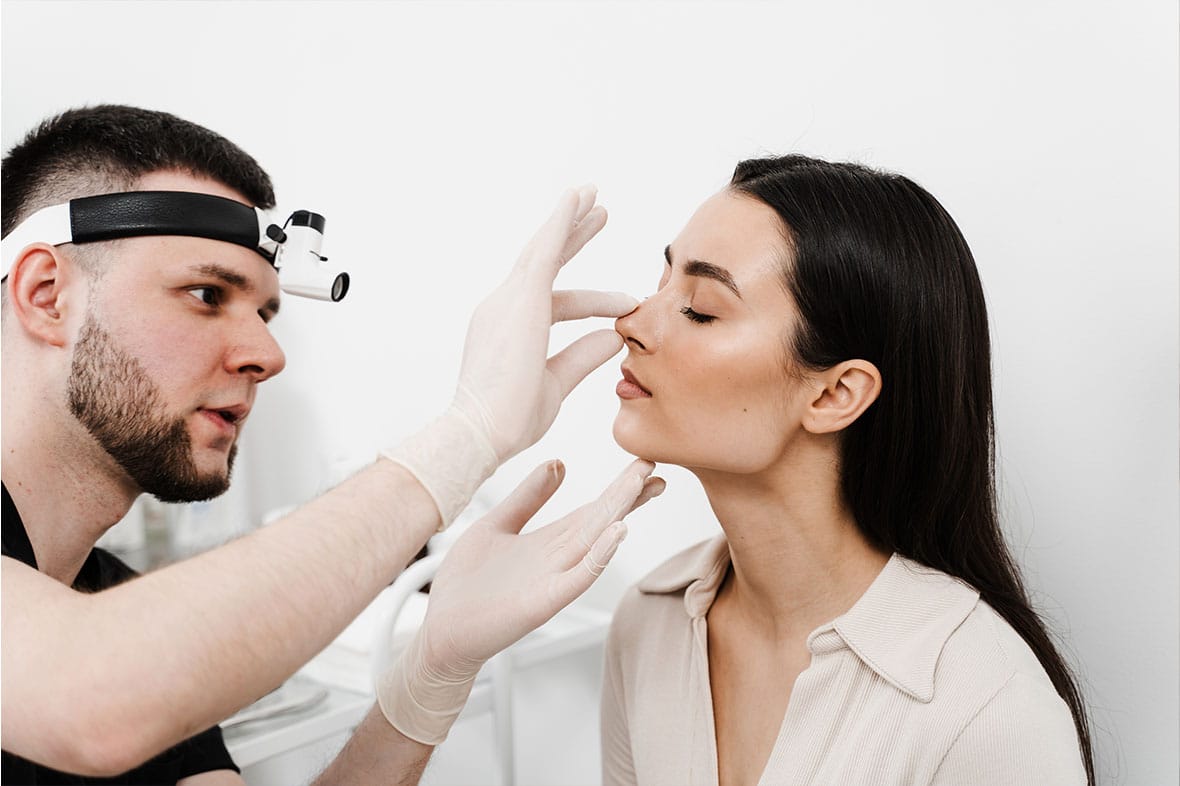
Improving function alongside aesthetics
Preservation rhinoplasty can also address functional concerns, such as breathing difficulties caused by structural irregularities. By making targeted adjustments rather than a full reconstruction, the procedure supports form and function with less overall disruption.
Reducing recovery and downtime
Because this technique avoids extensive reconstruction, it typically results in less swelling, bruising, and trauma to surrounding tissues. You can expect a smoother recovery than with a traditional rhinoplasty, with many patients returning to normal activities sooner.
Who is a good candidate?
Preservation rhinoplasty is best suited for you if you are looking for subtle improvements rather than dramatic changes. You may be a good candidate if you:
- Want to smooth a mild bump on the bridge
- Prefer subtle refinement rather than dramatic change
- Have a good underlying nasal structure
- Want a less intensive recovery process
However, if your goals involve significant reshaping or structural correction, a more traditional approach may be necessary to achieve the desired outcome. A thorough consultation helps determine which technique aligns best with your anatomy and expectations.
If your goal is true refinement, preservation rhinoplasty offers a thoughtful solution. By working with your natural anatomy, this approach delivers results that feel balanced and uniquely yours. Under the care of Dr. Jeffrey Lisiecki, board-certified plastic surgeon with advanced aesthetic fellowship training, you can explore a personalized plan that prioritizes subtle enhancement, precision, and long-term harmony with your facial features. Schedule your consultation in New York City today.