Rhinoplasty can create meaningful changes in the shape, proportion, and function of your nose, but those changes are not fully visible when your splint comes off. Although you will likely notice an improvement within the first few weeks, swelling can temporarily soften definition or make certain areas appear uneven.
Most visible swelling fades relatively quickly. The final refinements happen much more gradually as your tissues heal and settle around the reshaped structure. Understanding this process, with the help of Dr. Jeffrey Lisiecki, can make it easier to stay patient while your new nose takes shape.
Why does rhinoplasty healing take so long?
The nose contains bone, cartilage, skin, and delicate soft tissue within a relatively small area. During rhinoplasty, some of these structures may be reshaped or repositioned. The overlying skin then needs time to adapt to the new framework.
Surgery also temporarily disrupts normal lymphatic drainage, causing fluid to accumulate. Because nasal skin cannot expand very far, even minor swelling can noticeably affect your nose’s appearance.
The nasal tip generally takes the longest to refine. Its thicker skin and limited circulation can cause subtle swelling that may persist for many months. Patients with thicker skin or those undergoing revision rhinoplasty may need more than a year to see complete refinement.
The first week: Early swelling and protection
Swelling, bruising, stuffiness, and tenderness are expected during the first several days. You will typically wear a splint to support and protect your nose as healing begins. Keeping your head elevated and following your postoperative instructions can help control swelling.
You should not try to evaluate your result during this stage. The nose may appear wider, more upturned, or less symmetrical than expected because of swelling.
Weeks two through six: Visible improvement
Once the splint is removed, you will get your first look at the new shape. This is an exciting milestone, but it is still only an early preview. Swelling often decreases significantly during the first month, and bruising usually becomes much less noticeable.
Your nose may look different from one day to the next. Temporary unevenness is common because each side can heal at a different rate. Many patients feel comfortable returning to work and social activities during this period, depending on their procedure and recovery.
Months two through six: Gradual refinement
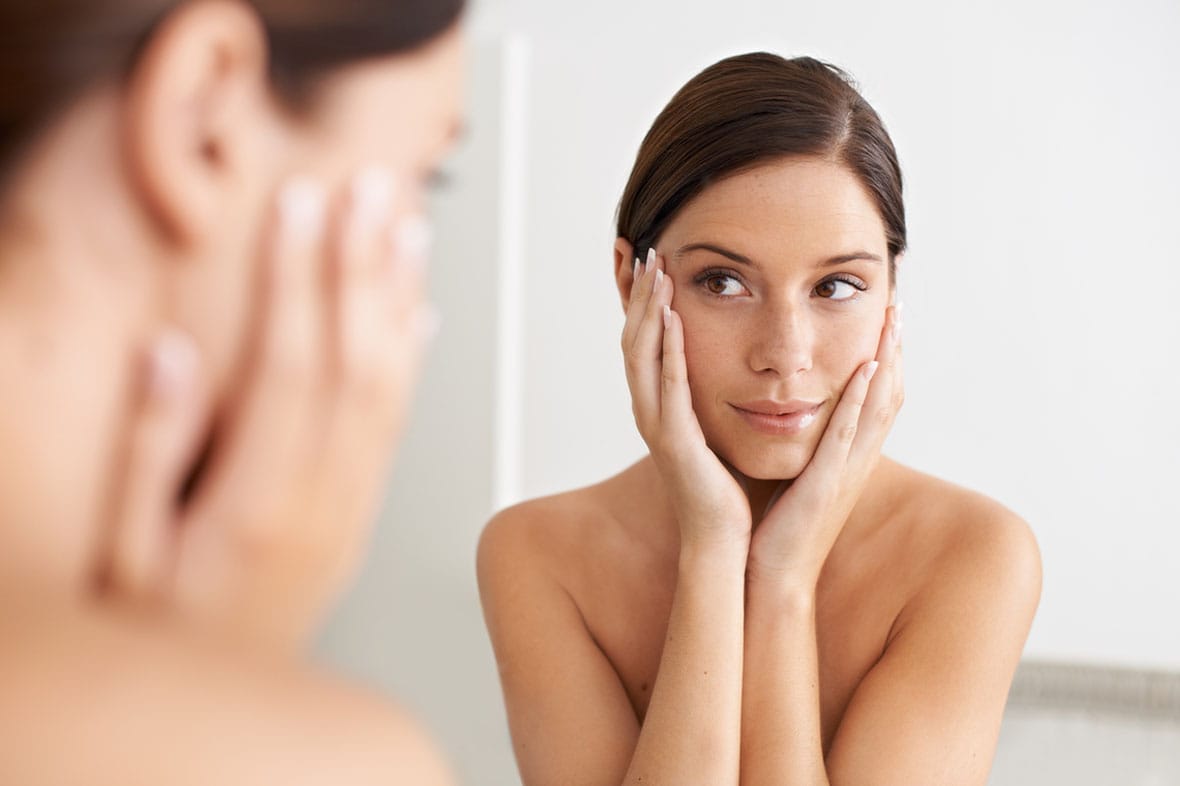
Your nasal bridge will generally become more defined as swelling continues to resolve. The tip may still feel firm, look rounded, or sit slightly higher than its eventual position. These changes can be difficult to recognize when you look in the mirror every day. Taking monthly photographs under similar lighting and at the same angles can help you see the gradual progress.
Your surgeon may continue to limit contact sports or activities that could injure your nose during this stage. Always wait for clearance before returning to strenuous exercise or wearing anything that places pressure on the nasal bridge.
Months six through 12: The final result emerges
During the second half of the year, the remaining swelling slowly fades. As the tip definition becomes clearer, the skin settles more completely, and the nose soon looks and feels natural.
These changes are often subtle, but they can significantly influence contour. By 12 months, most patients can reasonably assess their final rhinoplasty result.
However, healing remains individual, and revision procedures or thicker skin may require additional time.
How can you support rhinoplasty healing?
Your choices during recovery can influence how smoothly healing progresses. Follow your surgeon’s instructions and attend every scheduled follow-up appointment. You should also:
- Protect your nose from bumps and pressure
- Avoid nicotine, which can interfere with healing
- Wear sun protection to reduce skin discoloration
- Resume exercise only when your surgeon approves
- Avoid taping or massaging your nose unless instructed
- Contact your surgical team if you notice concerning changes
Give your new nose time to settle
Waiting a year does not mean your nose will look swollen throughout that entire period. Most people see substantial improvement sooner, followed by increasingly delicate refinements.
At our Upper East Side practice in Manhattan, board-certified plastic surgeon Dr. Jeffrey Lisiecki takes a personalized, evidence-based approach to rhinoplasty. We will explain your anticipated recovery, monitor your progress, and help you understand each stage of healing. Schedule a consultation with our team to explore a rhinoplasty plan tailored to your anatomy and goals.